
ESP32-S3 Gold Edition.
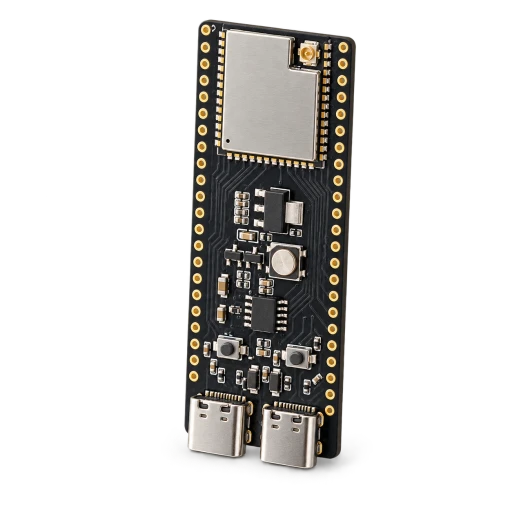
16 MB flash, 8 MB PSRAM, dual-core 240 MHz, Wi-Fi and Bluetooth LE, and two USB-C ports — on gold-plated pads.
- ✓ Arduino IDE and MicroPython
- ✓ Designed in Australia
- ✓ Ships next business day
Shop by category
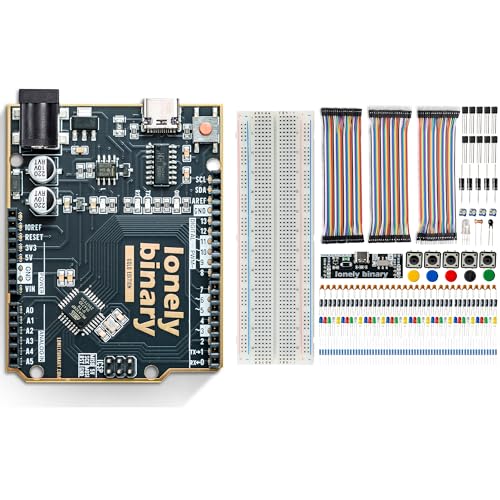
All products →- BoardsESP32, UNO & Nano36 products
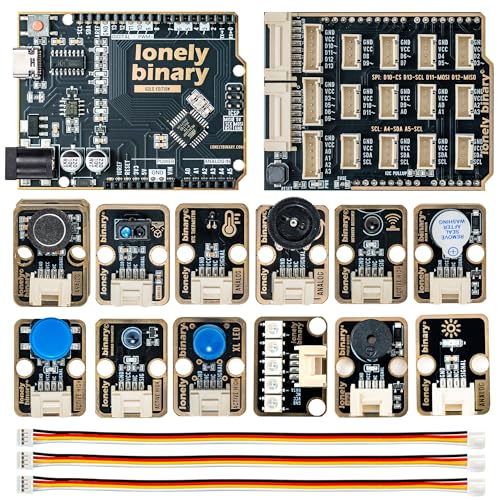
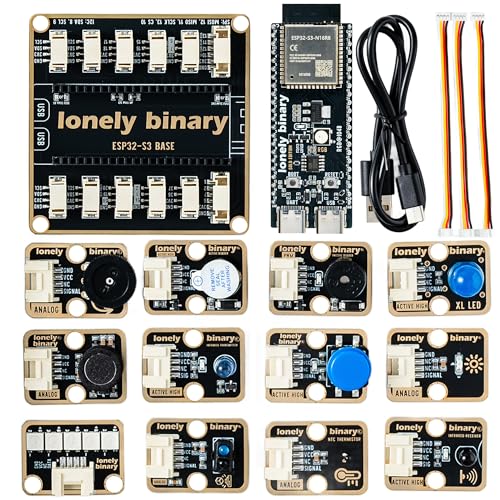
- KitsTinkerBlock & starter5 products
- Sensors & InputSensors, keypads, switches5 products
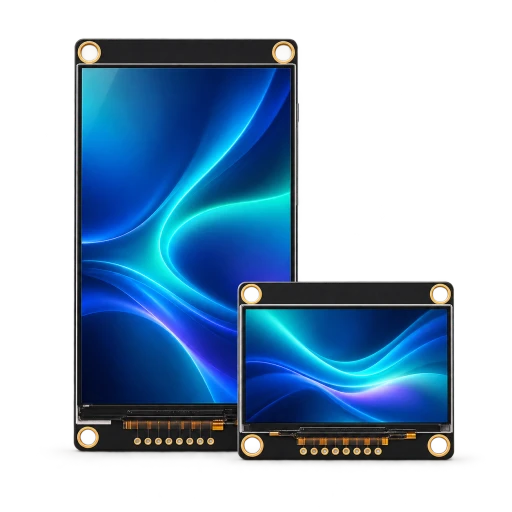
- DisplaysLED, LCD & TFT9 products
- Power & SignalShifters, regulators, PD7 products
- Prototyping & ToolsWires, headers, tools11 products
- Best SellersWhat makers buy most10 products
Where do you want to start?
Shop favourites
Recently viewed
Based on this browserPick a base. Watch it click.
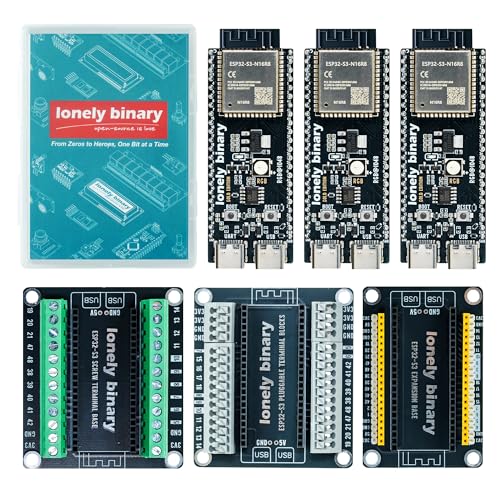
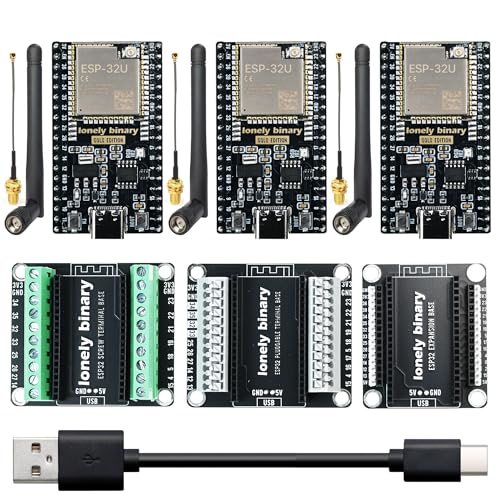
Meet the 2.54 mm Expansion Base: the plainest base there is, nothing on it but pins.
The board plugs into the two black sockets in the middle. No soldering, no wiring.
Every edge pin comes out again on standard 2.54 mm headers, four 20-way strips, for jumper wires, breadboards and your own modules.
A 15-way FPC port takes Lonely Binary TFT, E-Ink and touch displays on one ribbon cable (displays sold separately).
Meet the Screw Terminal Base, for fixed installations where a wire has to stay put.
The board plugs into the two black sockets in the middle. No soldering.
Its pins come out to two 15-way 3.5 mm screw terminal blocks that hold bare wire firmly.
A 15-way FPC port takes Lonely Binary TFT, E-Ink and touch displays on one ribbon cable (displays sold separately).
Meet the Pluggable Terminal Base: push the wire in and it is held.
The board plugs into the two black sockets in the middle. No soldering.
3.5 mm terminal blocks, two 12-way and two 4-way: pull a block off and the wiring comes with it. No screwdriver needed.
A 15-way FPC port takes Lonely Binary TFT, E-Ink and touch displays on one ribbon cable (displays sold separately).
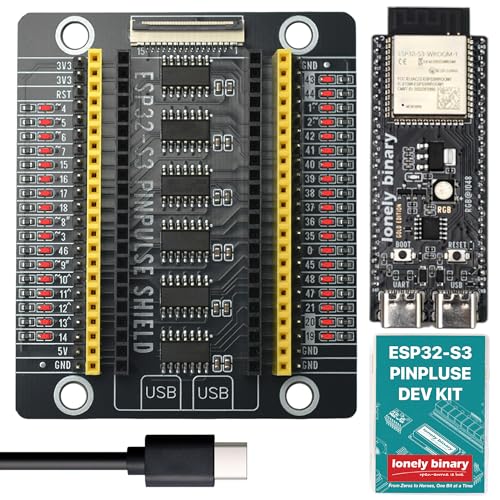
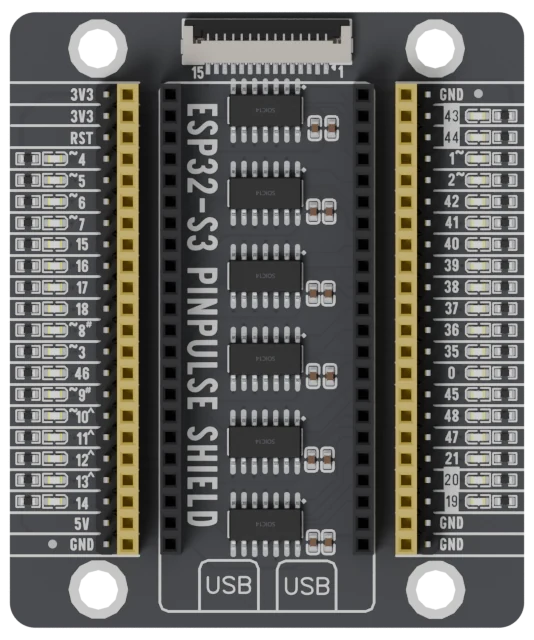
Meet the PinPulse shield, which puts an LED on every GPIO.
The board plugs into the two black sockets in the middle. No soldering.
36 GPIO LEDs, buffered through 74HC14D logic, show HIGH and LOW without loading SPI, I2C, UART or PWM signals.
Every GPIO has both a male pin and a female socket for any jumper wire, plus a 15-way FPC port for Lonely Binary displays (sold separately).
PLAY
Pick it up. Throw it around.
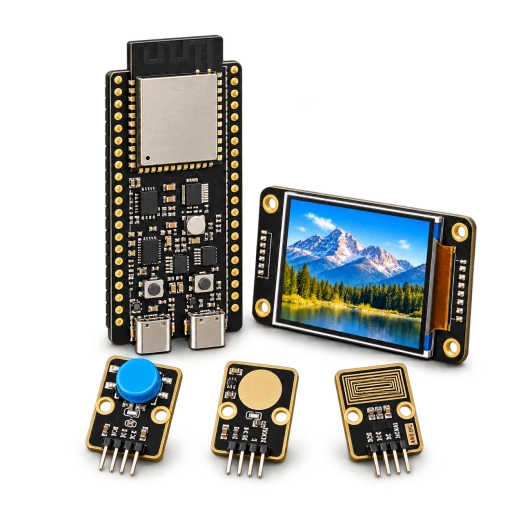
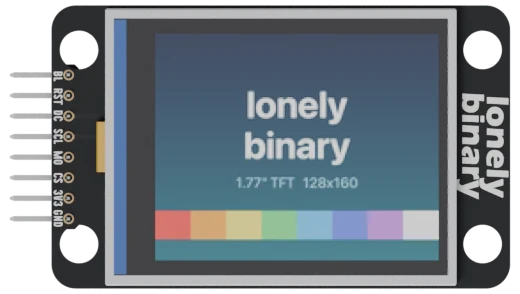
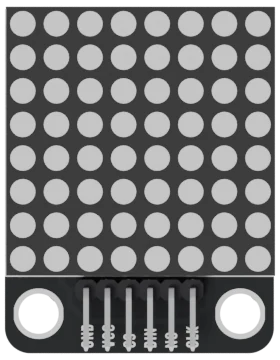
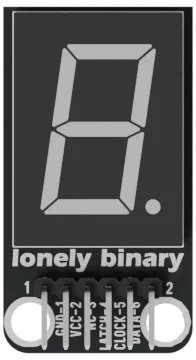
Every part here is a real Lonely Binary module. Drag one, toss one, then see them all in the kit.
Shop the 46-sensor kit →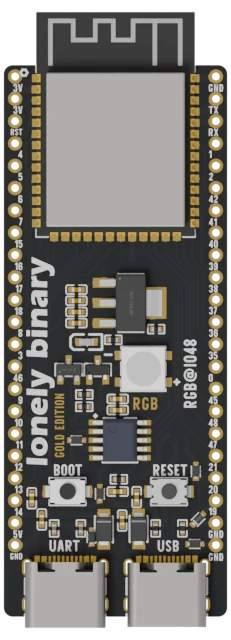
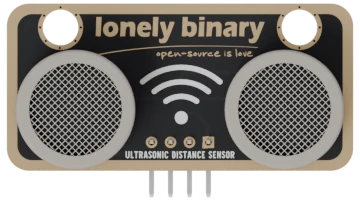
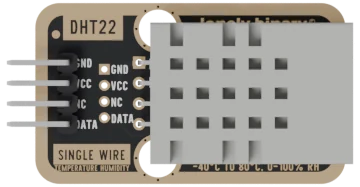
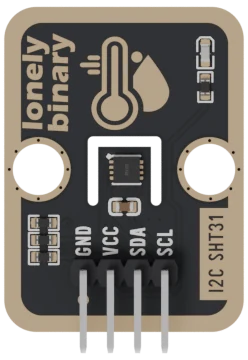
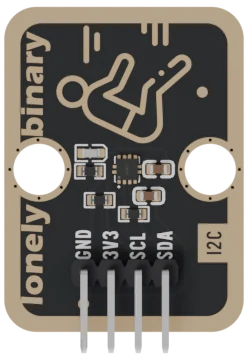
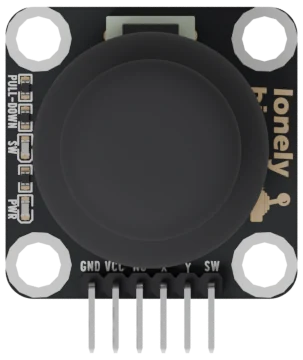
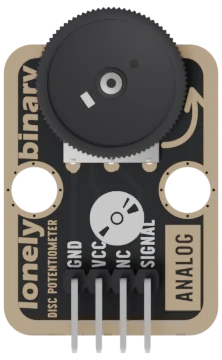
 Drag anything · throw it